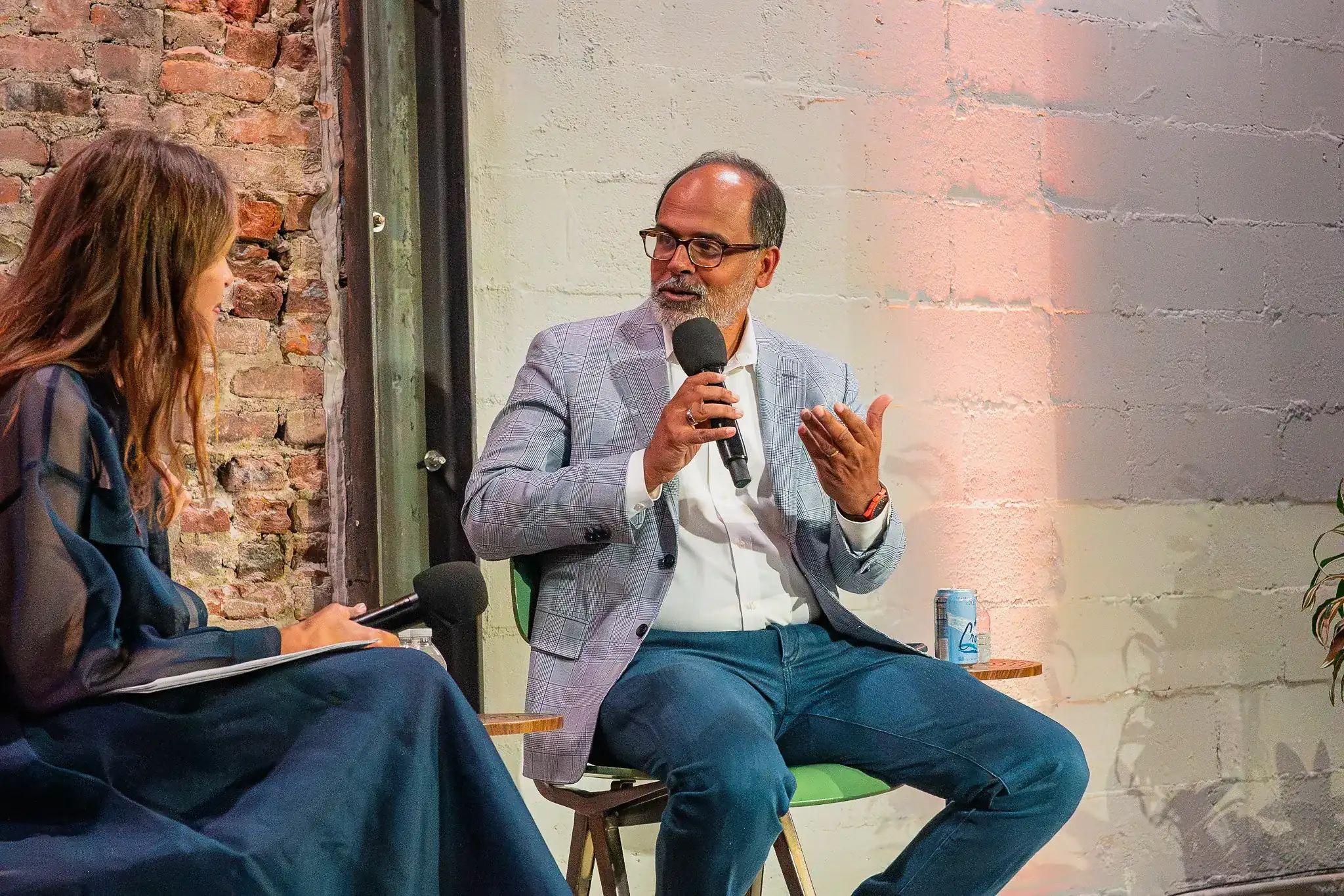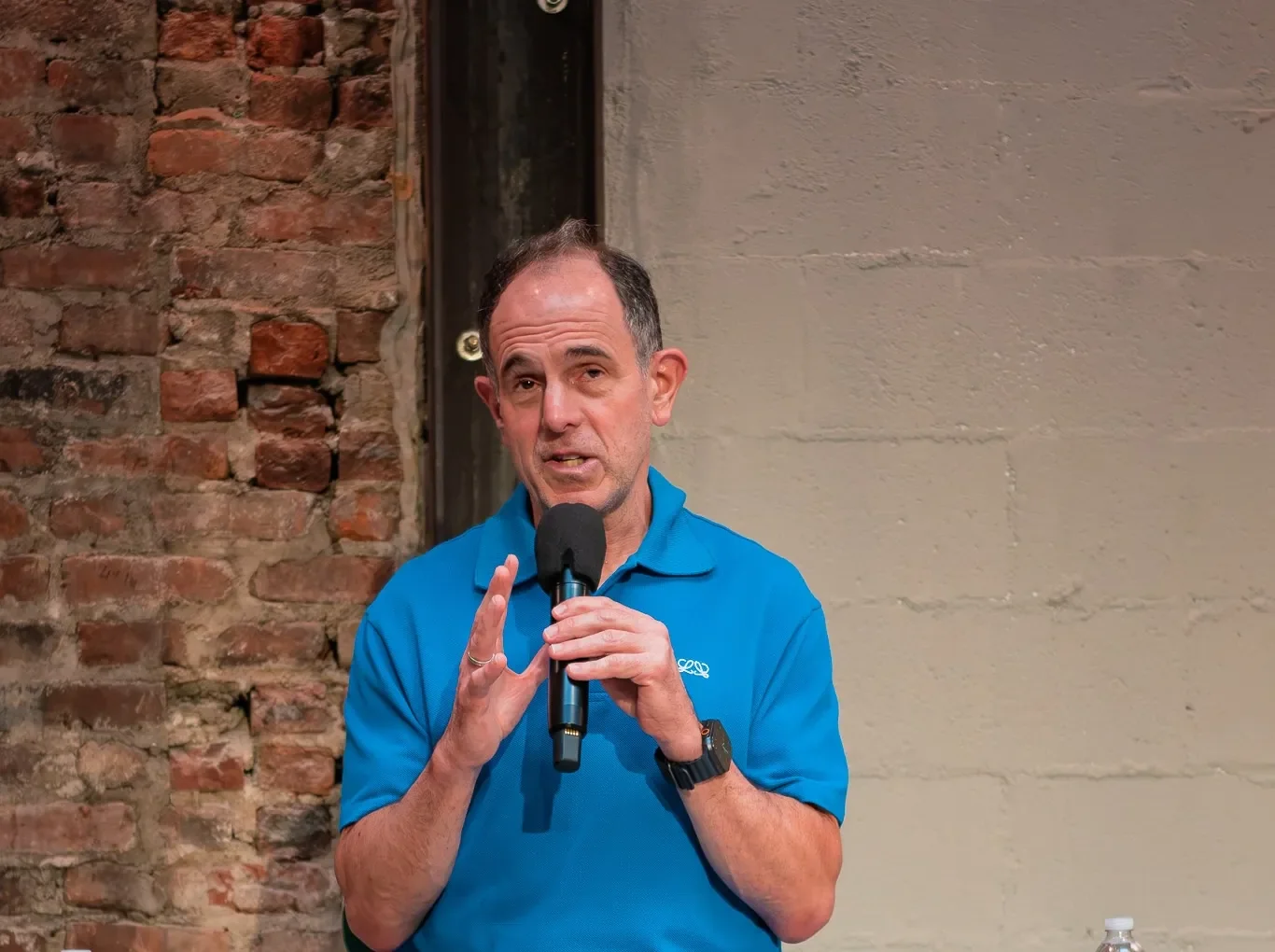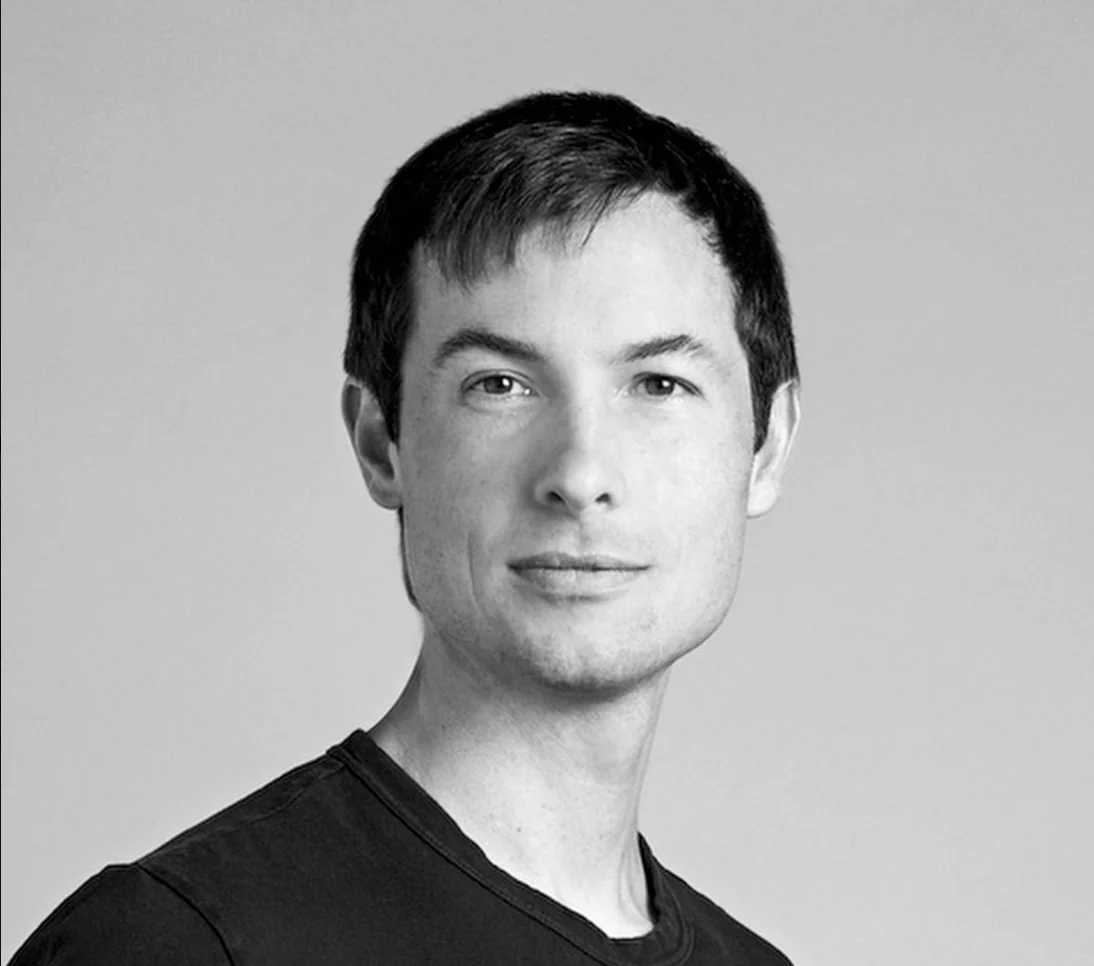
Reed Jobs has spent his career being asked about the most famous surname in technology. In discussing his startup, he has tried to redirect the conversation where it belongs: his bet that cancer is becoming a disease we can treat far more effectively than the statistics suggest. Jobs is building a company at the intersection of artificial intelligence and oncology research, and he wants the work, not the lineage, to define him.
The startup's premise is that the bottleneck in cancer drug development is no longer only biology but information, the sheer volume of genomic data, clinical trial results and scientific literature that outpaces human researchers. By applying modern AI systems to that corpus, Jobs argues, teams can identify targets, design treatment combinations and match patients to therapies with a speed the field has never had. It is a thesis shared across the booming AI-for-science sector, but one Jobs brings personal urgency to.
He has good reason to resist the family framing. The Jobs name invites coverage that can overshadow substance, and investors in biotech are wary of celebrity capital. Yet the attention has helped him open doors in fundraising and recruiting that would otherwise take years, and he has shown a preference for talking about pipelines, data and clinical outcomes rather than garages and keynote stages.
Whether the company delivers, the deeper question it raises is whether the AI generation can finally make good on biotech's oldest promise. Jobs is betting his name, whatever it is worth, on the idea that cancer's fatality rate is a temporary condition.