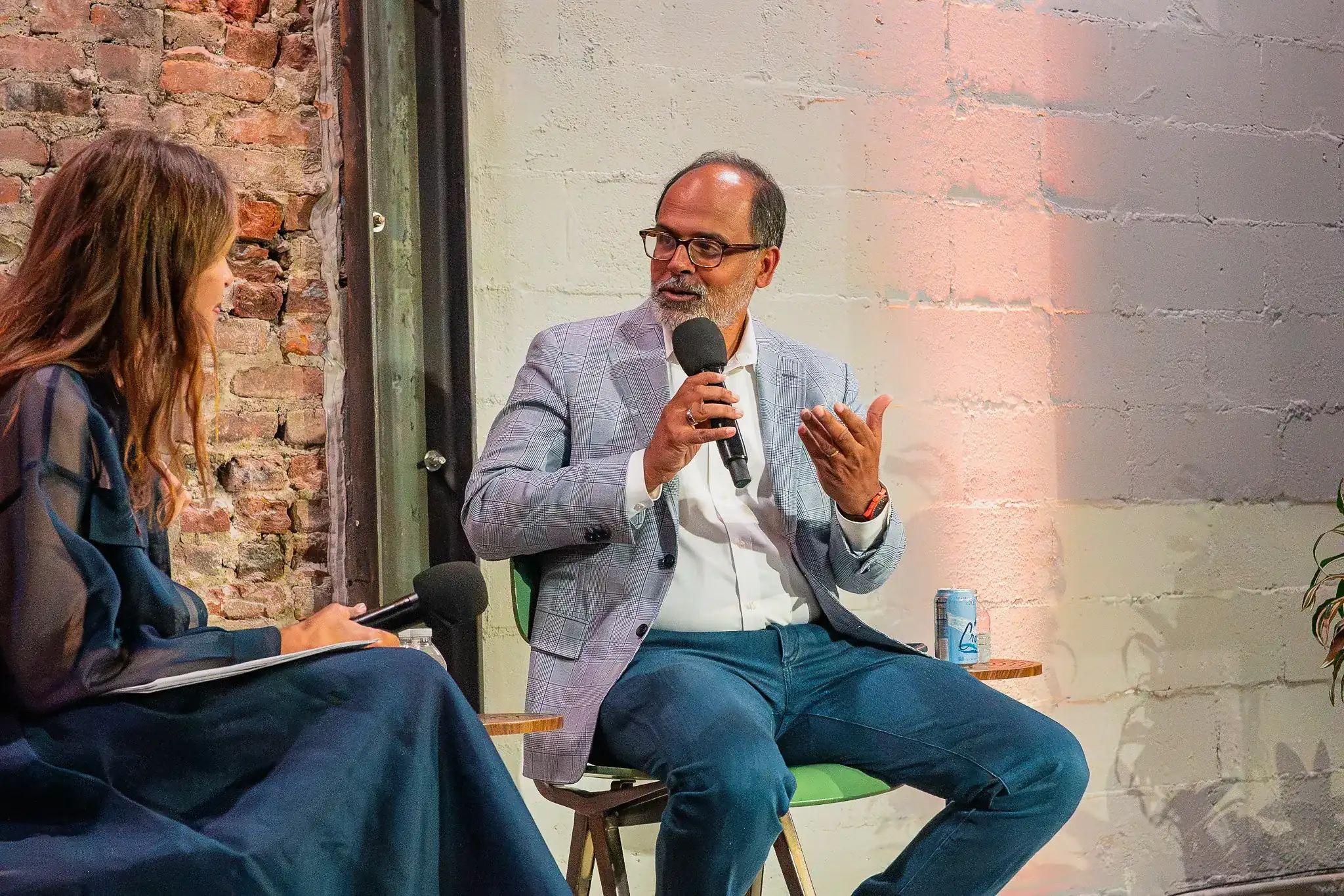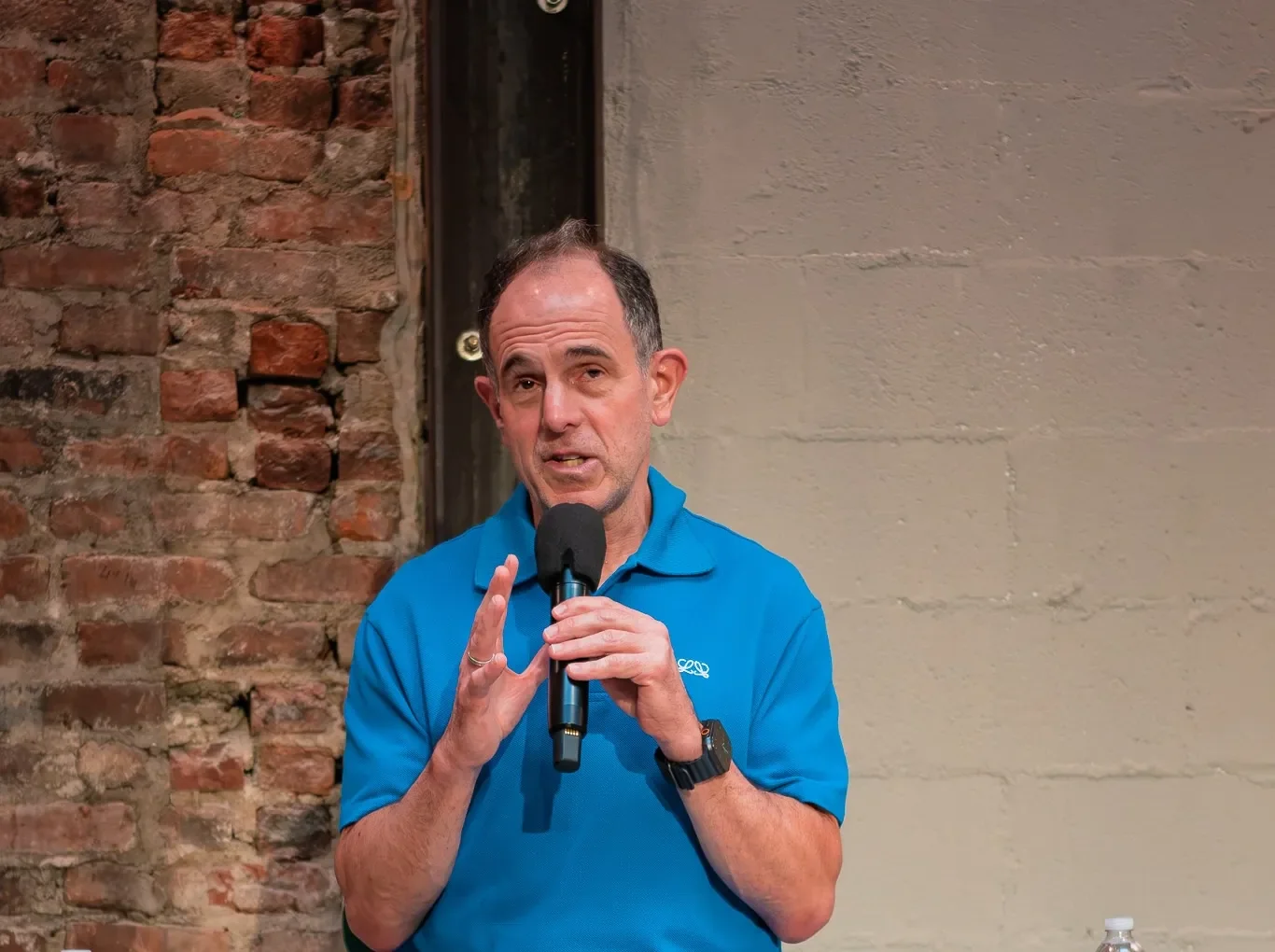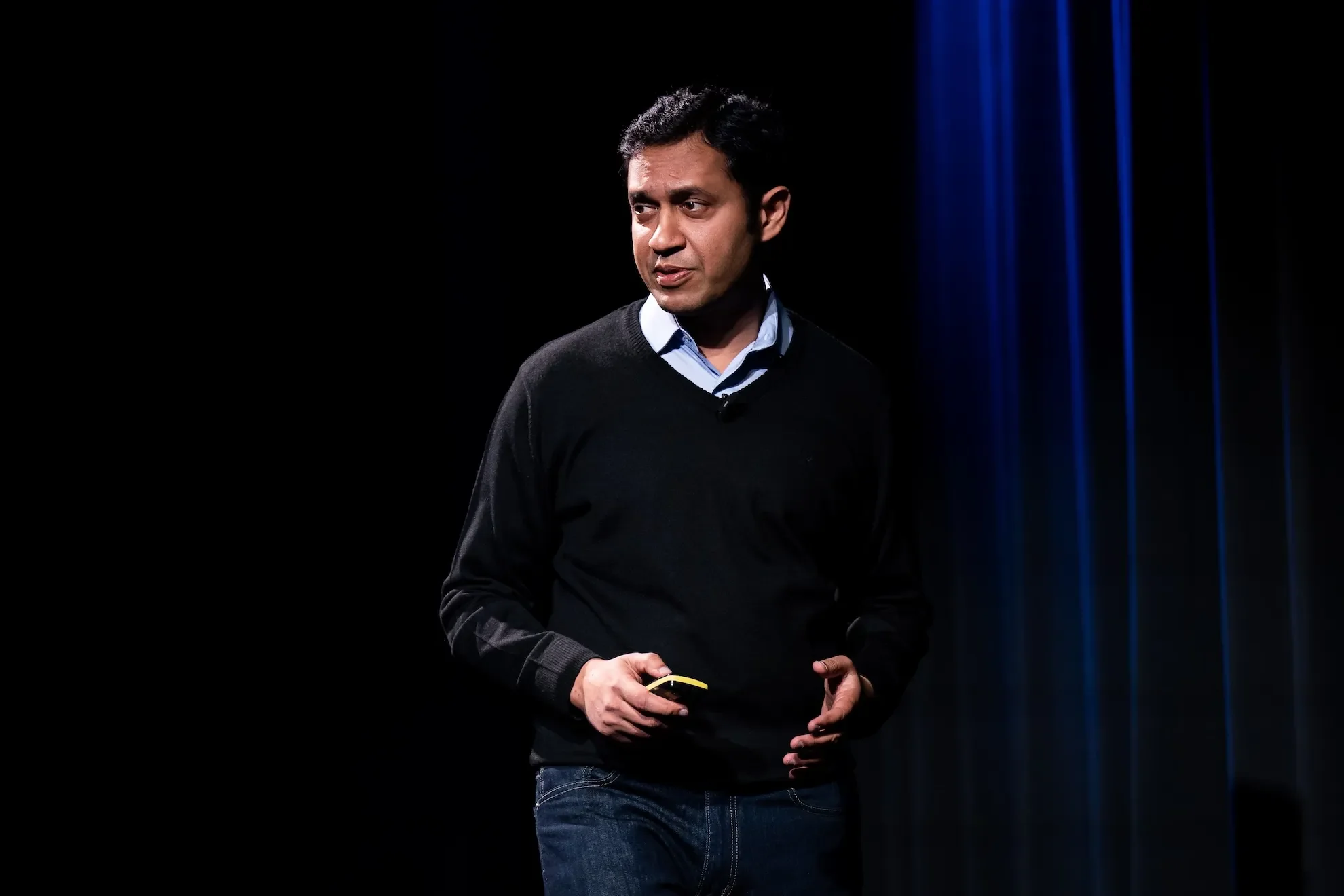
Uber's chief product officer, Sachin Kansal, recently sat down to discuss the company's sprawling roadmap: AI agents, the future of travel, and the delicate strategy of partnering with nearly everyone in the robotaxi race while developing autonomy of its own. The conversation offers a rare view inside a company that has positioned itself as the demand layer of transportation, betting that whatever vehicle eventually moves people, Uber intends to be the app that books it.
On autonomous vehicles, Uber's posture is deliberately non-committal about any single winner. The company has struck partnerships and investments spanning rival robotaxi operators, international autonomy exporters and its own self-driving division, wagering that its marketplace, payments and operations network will be the scarce asset while fleets compete on technology. That both-sides strategy keeps Uber relevant regardless of which operator scales first, but it also means the company must manage partners who view it as simultaneously ally and threat.
Kansal also addressed how AI agents will reshape the app itself, from trip planning to multi-modal itineraries that blend rides, transit and travel booking, and the opportunity for agents to book on a user's behalf at a scale the current interface cannot imagine. Uber, he suggested, wants to be the fulfillment network behind those agent requests.
The travel and delivery businesses rounded out a picture of a company trying to become the default operating system for moving people and goods. The risk, as ever, is that platforms serving every side of a race end up owning none of the future.