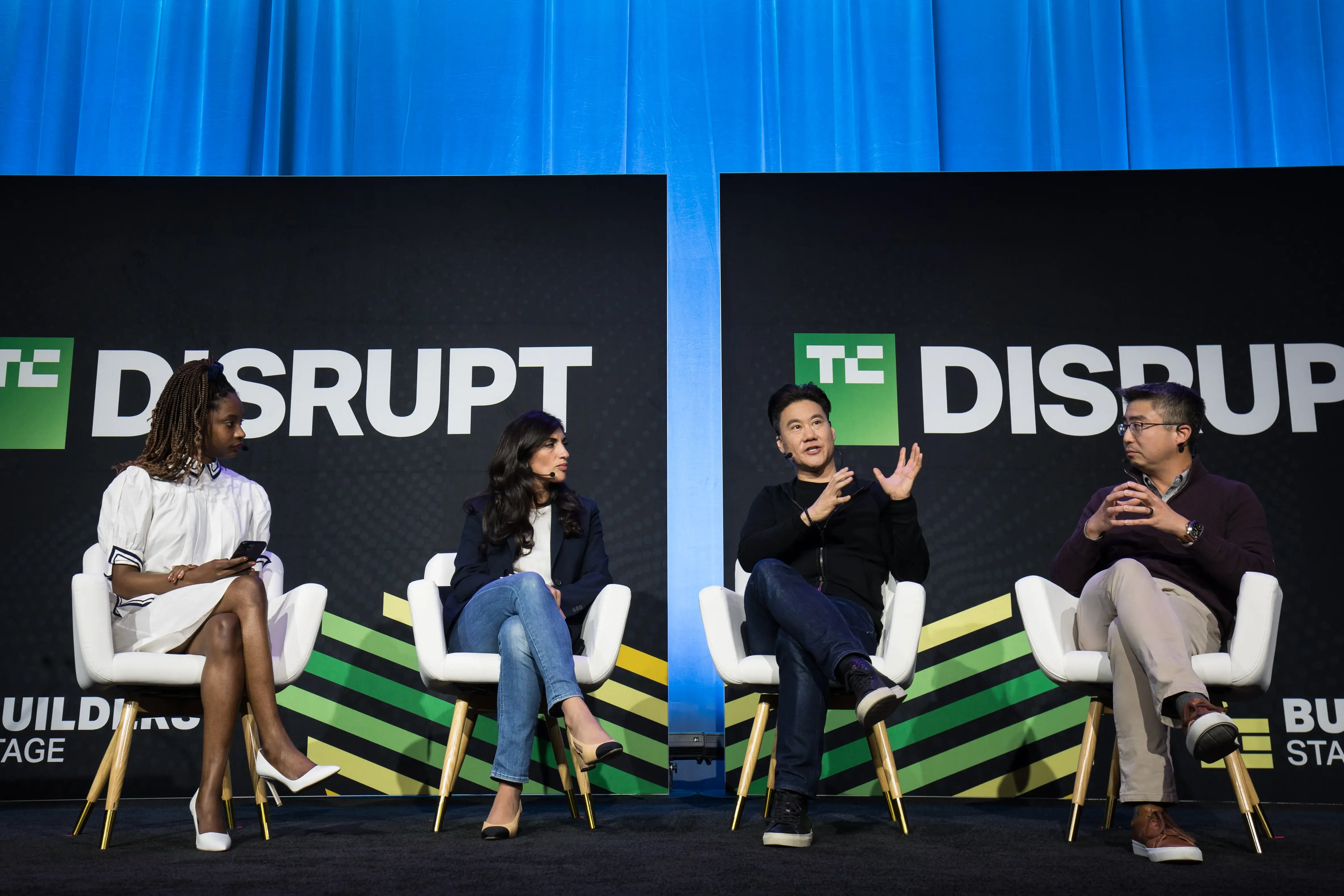
It sounds like the worst advice in startups: you can raise pre-seed money without a product. Yet that is the premise of a session at TechCrunch Disrupt 2026 that examines how founders convince investors to write checks on nothing but conviction, storytelling and proof of insight. As AI collapses the time between idea and prototype, investors increasingly fund people and theses before code exists, and the session promises to dissect how that actually works.
The discussion covers the anatomy of a pre-product pitch: why a founder's specific insight matters more than a demo when everyone can build the same demo; how to signal credibility through background, customer evidence and the quality of a point of view; and how narrative structure turns an abstract idea into something an investor can picture owning. It also addresses the failure modes, storytelling without substance and conviction without markets, and how to avoid the awkward moment when a seed round never comes because the product never did.
The format reflects a broader shift in early-stage investing. In an era when AI tools let anyone prototype quickly, the scarce asset is no longer the ability to build but the ability to see clearly and persuade others to fund the vision. Pre-seed has effectively become a bet on judgment.
For founders attending Disrupt 2026 with a slide and a dream, the session is both invitation and warning: the money is real, the bar is higher than it looks, and the storytelling is now a core engineering discipline.