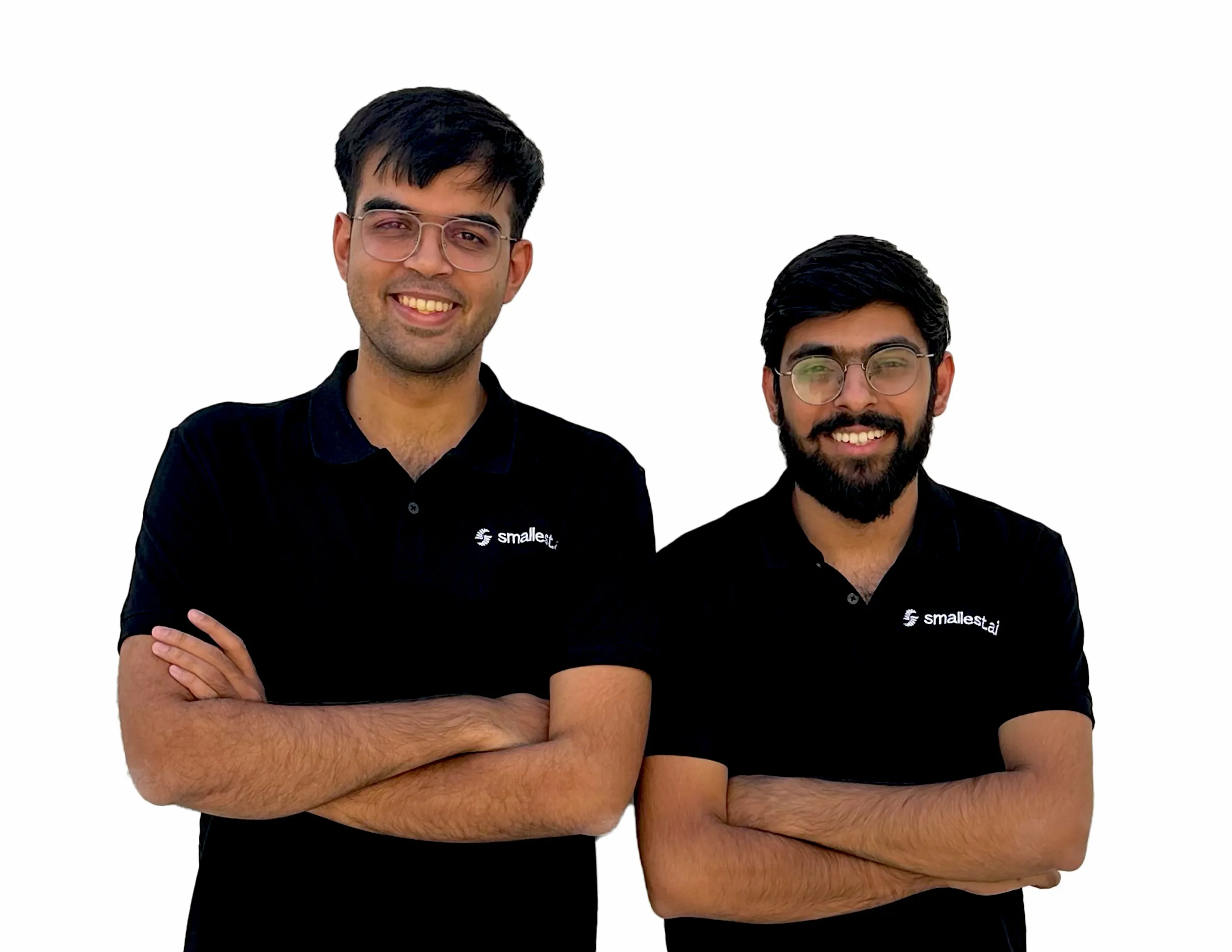
Smallest.ai has raised $13 million to pursue a narrow but fiercely contested goal: making conversational voice AI so fast and so natural that callers cannot tell they are speaking with a machine. The funding targets the latency problem that has plagued voice agents since the category's earliest days — the half-second pause after a customer finishes speaking that instantly breaks the illusion and drives callers to demand a human.
The company's approach attacks both ends of the problem. On speed, Smallest.ai has built its speech models to generate audio in near-real time, compressing the round-trip from voice input to voice output far below the thresholds that make interactions feel sluggish. On realism, its models capture the cadence, hesitation, and prosody of actual conversation rather than the polished monotone of traditional text-to-speech systems. The combination is meant to make voice agents viable for work where a robotic delivery simply fails: sales calls, customer support, collections, and front-desk coverage.
The market logic is compelling. Enterprises are drowning in phone volume they can no longer staff, and the AI voice category has exploded with competitors — from major labs to a swarm of startups — all chasing the same contact-center dollars. Smallest.ai's bet is that the winners will not be the companies with the biggest models but the ones that solve the physics of conversation: sub-second response times, natural interruption handling, and pricing that works at millions of minutes per month.
The new capital will fund model development, go-to-market expansion, and enterprise deployments as the company races to establish itself before the category consolidates. The bar for believability keeps rising each year; Smallest.ai is wagering that the last mile of the uncanny valley — the telephone — is the one that unlocks the largest prize.