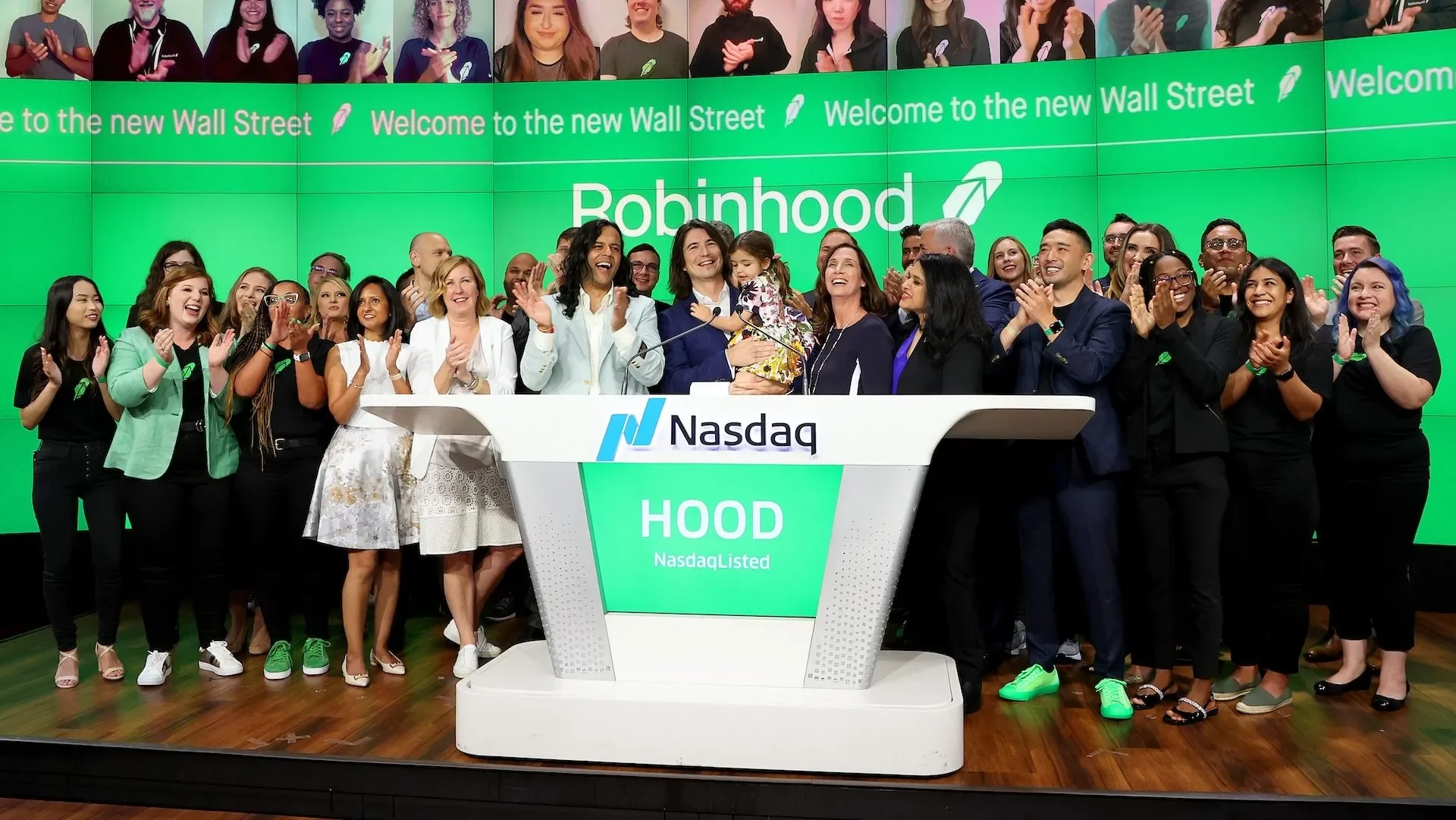
Robinhood is preparing to list a fund that gives ordinary investors exposure to startups backed by Y Combinator, one of the most coveted private portfolios in technology. The move would let retail customers buy into a slice of the venture asset class that has historically been reserved for institutional limited partners and accredited insiders, and it marks another step in the rapid erosion of the wall between public-market main street and private-market Silicon Valley.
Y Combinator's portfolio — thousands of companies, including Airbnb, Stripe, and Dropbox among its older alumni — has long been the subject of envy among investors who could not access it. Funds that package YC-era startups for outside capital effectively sell a diversified bet on the strongest brand in early-stage venture, and the appeal to retail investors priced out of direct participation is obvious. For Robinhood, listing such a vehicle reinforces its positioning as the gateway for products that traditional brokerages treat as too exotic or too complex.
The broader trend is accelerating. Platforms offering packaged access to private companies have proliferated, secondary markets for startup shares have deepened, and regulators have watched the definition of an accredited investor loosen in practice if not in law. Proponents argue the result is democratization: ordinary households finally get a chance to participate in the returns that venture capital has monopolized for decades.
Critics warn about the other side of the bargain. Private-company funds can be illiquid, hard to value, and concentrated in a single stage of a single ecosystem — risks that retail investors are often poorly equipped to price. If the Robinhood-listed YC fund performs well, expect copycats within quarters; if it stumbles, it will become the cautionary exhibit in the next fight over how far democratization should go.