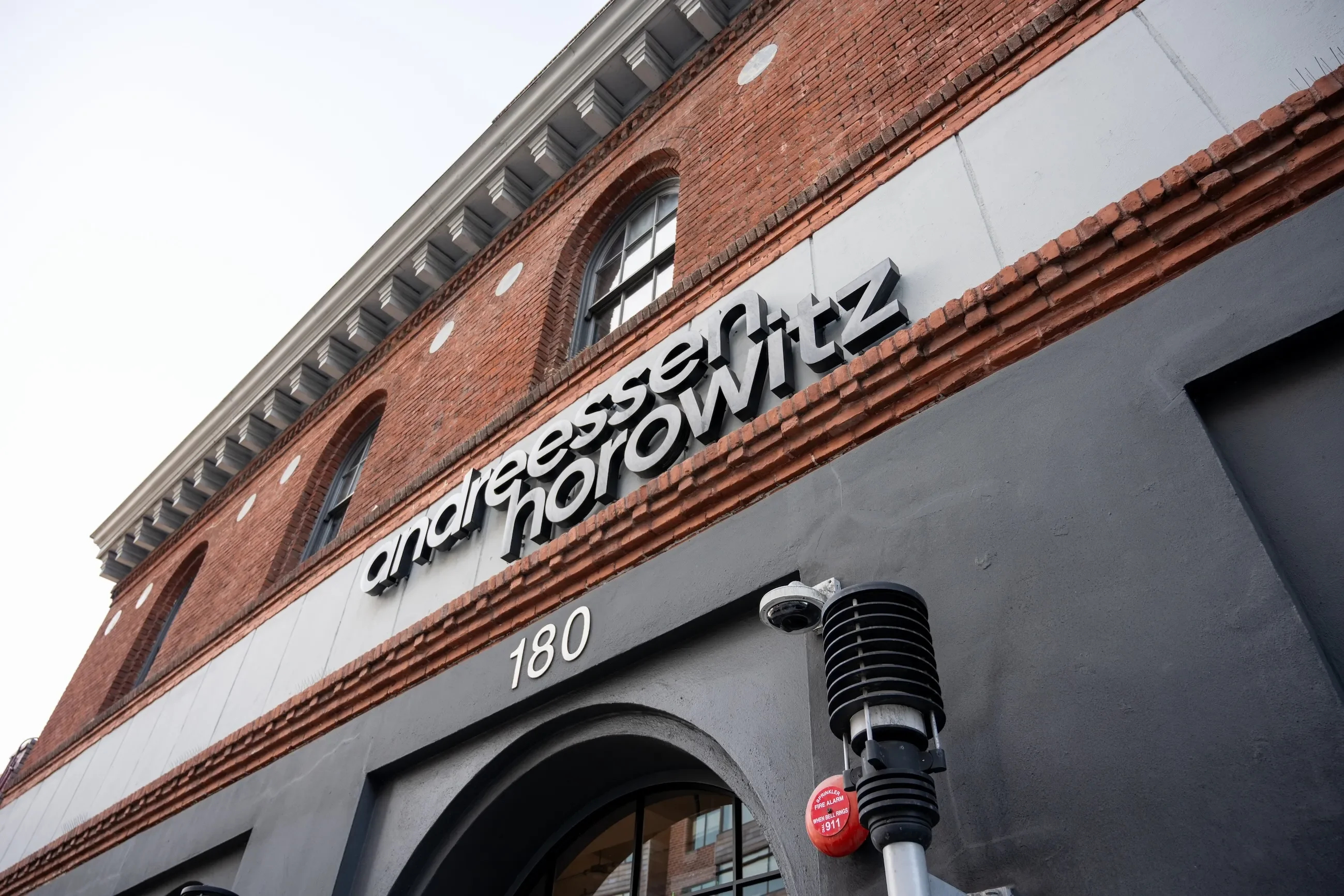
Andreessen Horowitz has launched a $1.1 billion fund it calls the Machine Age, and the thesis fits in a sentence: the next trillion dollars of the AI economy will be won by whoever physically builds it. The new vehicle is explicitly aimed at accelerating the physical buildout of AI — the robots, sensors, power systems, manufacturing lines and logistics networks that turn language models into things that move, make and deliver.
The fund reflects a broader rotation inside venture capital. After years of pouring money into software layers built on top of foundation models, many investors now believe the durable opportunities sit where bits meet atoms: humanoid robotics, autonomous vehicles, industrial automation, energy infrastructure and the compute construction that underpins it all. a16z has been one of the loudest voices in this camp, arguing that the United States must onshore and automate manufacturing to compete, and the Machine Age fund is the capital commitment behind that rhetoric.
Investors expect the fund to write checks across stages, from seed-stage robotics teams to later-round companies building the supply chains and power systems the buildout requires. The firm's pitch to limited partners is that physical AI is capital-intensive by nature, which favors large dedicated vehicles with long time horizons over generalist funds optimized for software speed.
The risk is timing: robotics and infrastructure ramp slower than software, and public-market enthusiasm can evaporate before hardware economics prove out. But a16z is betting that the scarcity of real-world deployment capability — not ideas or talent — will be the binding constraint of the decade, and that a $1.1 billion war chest is the right way to own the bottleneck.