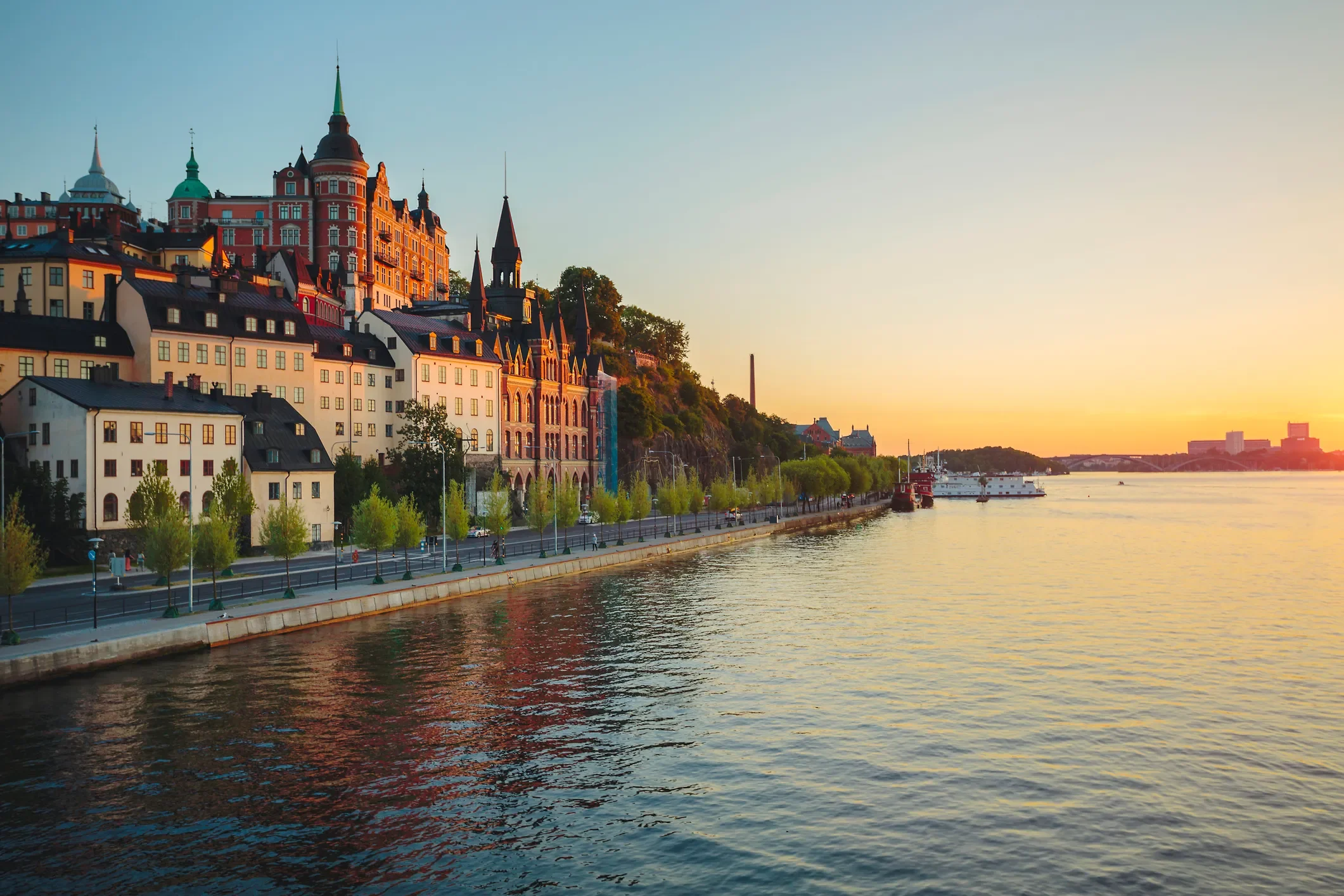
Sweden, a country of roughly ten million people, has produced more unicorns per capita than almost any nation on earth outside the United States — from Spotify and Klarna to a new generation of AI companies now scaling globally. How a small, high-tax northern economy built one of Europe's hottest startup ecosystems is no accident; it is the result of deliberate choices spanning education, infrastructure, policy and culture.
The foundations were laid early. Broad broadband access, tech-forward schooling and a culture of digital trust gave Swedes some of the highest internet penetration and cashless-payment literacy in Europe, creating home markets dense enough for startups to find product-market fit before expanding. Progressive bankruptcy norms reduced the stigma of failure, while a strong social safety net lowered the personal cost of quitting a stable job to start a company — a paradox that less generous economies rarely appreciate.
Capital followed. A small set of pioneering investors, a string of corporate exits and later a wave of government-backed funds created a financing ladder that carried companies from seed to growth without forcing premature sales to American acquirers. Public programs supported research and internationalization, and a flat management culture made it easy for founders to recruit talent that valued consensus and quality of life alongside equity.
The ecosystem's newest chapter is its most impressive. Swedish founders are no longer building copycat plays for a domestic audience; they are launching global companies from day one, exporting engineering culture and design discipline. The remaining question is whether a small home market can sustain the next tier — or whether Sweden's greatest startups will always end up headquartered somewhere else.