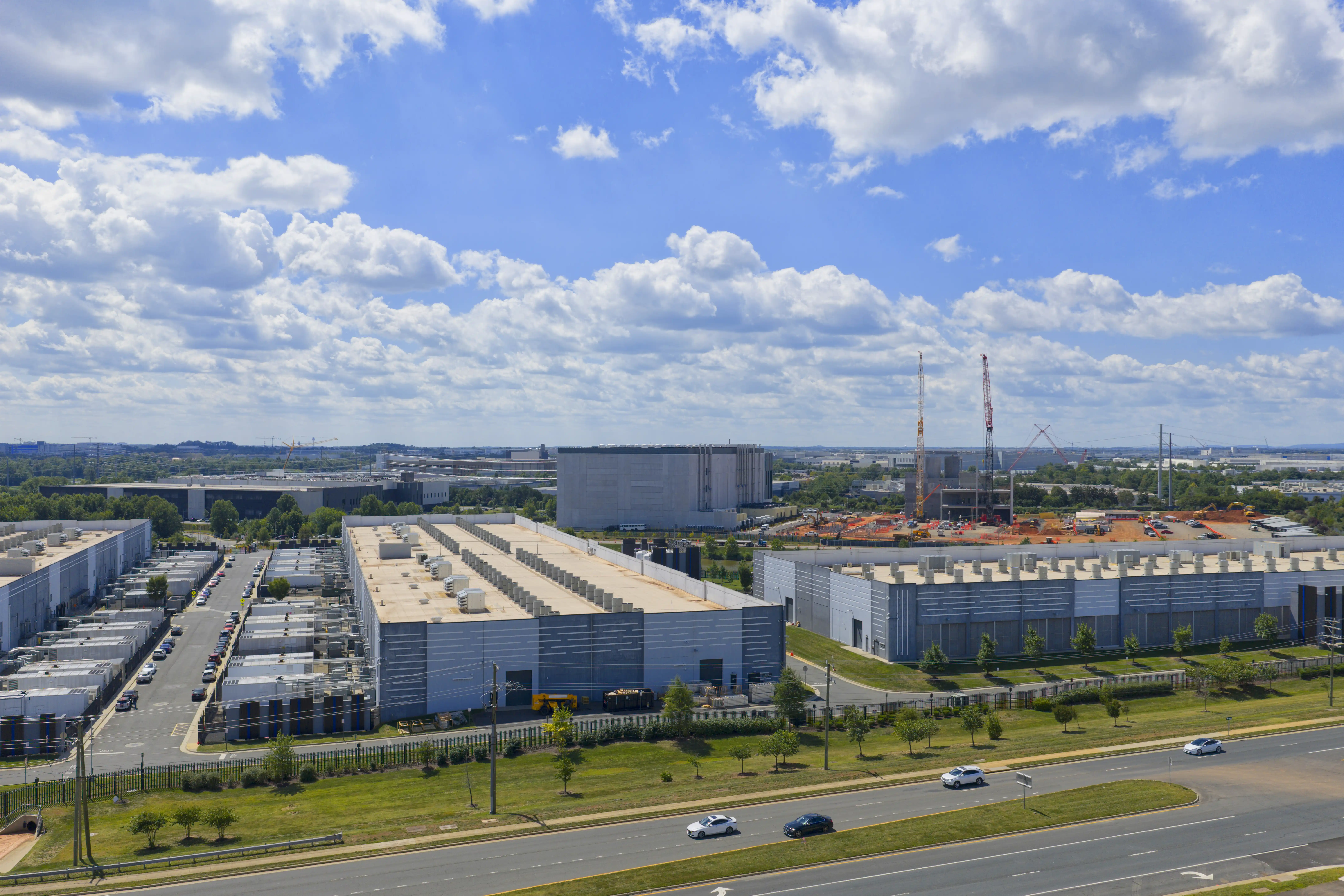
Crusoe, the AI infrastructure company that grew out of the oil fields, is reportedly raising $3 billion at a $30 billion valuation, a round that would cement its position among the most valuable private companies in the artificial intelligence buildout. The numbers, if confirmed, reflect how far the market will go to fund compute capacity.
Crusoe's origin story is central to its pitch. The company began by capturing flare gas from oil operations to power data centers, converting an environmental liability into cheap electricity and a differentiated business model. That foundation let it expand into full-scale AI cloud infrastructure, selling the compute that frontier labs and enterprises are desperate for.
The reported valuation places Crusoe in the top tier of private AI companies and underscores the capital intensity of the current cycle. Building data centers, securing power, and deploying accelerators at scale requires balance sheets that look more like utilities than software startups, and investors are effectively underwriting a new asset class: compute as infrastructure.
Demand for that asset class shows no sign of cooling. Hyperscalers and model developers continue to announce commitments that dwarf prior cycles, and the constraint on AI growth has shifted decisively from algorithms to electrons. Whether Crusoe's $30 billion mark proves prescient or premature depends on a question the whole industry is now betting on: whether the compute buildout generates the revenue to justify its price.